Eurosparx

Categories
Car Batteries

Why European Cars Need Special Battery Registration

If you’ve ever replaced a battery in a European car, you may have noticed that simply swapping out the old battery for a new one isn’t enough. Most modern European vehicles require a process called battery registration, which tells the car’s computer system that a new battery has been installed. Skipping this step can lead to charging problems, premature battery failure, and even damage to other electrical components. This article covers why European cars need special battery registration, what happens if you skip it, and how the process works.

Why Do European Cars Require Battery Registration?

European cars require battery registration because their charging systems are controlled by an intelligent battery management system (BMS) that monitors and adapts to the condition of the battery over time. When a battery ages, its ability to hold and accept charge changes. The BMS adjusts the charging voltage and current to match the battery’s condition, which helps extend its life and keep the electrical system running efficiently. Without registration, the car’s computer doesn’t know a new battery has been installed and continues to charge it as though it were the old, degraded one.

This intelligent approach to battery management is a hallmark of European manufacturers like BMW, Mercedes-Benz, Audi, Volkswagen, and Porsche. These brands have led the way in adopting complex electronic architectures that rely heavily on software to manage everything from engine performance to comfort features. The battery sits at the centre of all of this, providing the power that keeps every system running. Because of this, the BMS needs accurate information about the battery’s age, capacity, and type to manage charging correctly.

Japanese and other non-European vehicles are increasingly adopting similar systems, but European cars have used this technology for much longer and in more advanced ways. For Auckland drivers who own European vehicles, understanding battery registration is essential to avoiding costly electrical problems down the line.

What Is a Battery Management System?

A battery management system is an electronic control module that constantly monitors the state of your car’s battery. It tracks data points like the battery’s state of charge, state of health, voltage, temperature, and the number of charge and discharge cycles it has been through. Using this data, the BMS communicates with the alternator to control exactly how much charge the battery receives. This is a far cry from older vehicles, where the alternator simply pushed a fixed charge into the battery regardless of its condition.

In many European cars, the BMS also controls rest current management. When the car is parked and turned off, various modules continue to draw small amounts of power for things like alarm systems, keyless entry, and onboard memory. The BMS decides which modules can remain active and which should be shut down to preserve battery life. If the system doesn’t have accurate information about the battery, it can’t make these decisions correctly, which can lead to a flat battery or modules not functioning as expected.

What Happens During Battery Registration?

Battery registration is a software-based process carried out using a diagnostic tool that communicates with the car’s onboard computer. During registration, the technician inputs the details of the new battery, including its capacity (measured in amp hours), its type (such as AGM, EFB, or standard lead-acid), and its serial number or part number. The car’s BMS then resets its internal counters, clearing all the historical data it had stored about the old battery. From that point forward, it treats the battery as new and adjusts its charging strategy accordingly.

On some vehicles, particularly BMWs and Mercedes-Benz models, the registration process also involves coding the battery. This means the car’s software is updated to recognise the specific type and specification of the replacement battery. If the wrong battery type is coded in, or if the process is skipped entirely, the BMS may overcharge or undercharge the battery. Both scenarios can significantly shorten the life of the new battery and potentially cause damage to the vehicle’s sensitive electronic systems.

What Happens If You Skip Battery Registration?

Skipping battery registration on a European car is one of the most common mistakes made during DIY battery replacements, and the consequences can be serious. The most immediate issue is that the BMS continues to use the charging profile it had developed for the old battery. Since the old battery was likely degraded, the system would have been compensating by increasing the charging voltage. When this higher voltage is applied to a brand-new battery, it causes overcharging, which generates excess heat and accelerates wear on the battery’s internal plates.

Overcharging can also cause the battery’s electrolyte to break down more quickly, leading to gassing and potential swelling of the battery case. In AGM batteries, which are commonly used in European cars with start-stop systems, overcharging is particularly damaging because the sealed design means lost electrolyte cannot be replaced. The result is a new battery that fails in a fraction of its expected lifespan. Instead of getting four to six years of use, you might find the battery failing within one to two years.

Beyond the battery itself, the knock-on effects can spread to other parts of the electrical system. Fault codes may be stored in the BMS and other control modules, triggering warning lights on the dashboard. Features like start-stop functionality may stop working. In some cases, the car may even go into a reduced power mode to protect itself from what it perceives as a failing electrical system. For Auckland drivers dealing with stop-and-go traffic, losing start-stop functionality also means increased fuel consumption and higher running costs.

Can an Unregistered Battery Damage Other Components?

Yes, an unregistered battery can cause damage to other electrical components over time. The alternator is one of the first components at risk. When the BMS sends incorrect charging instructions to the alternator based on outdated battery data, the alternator may work harder than it needs to. This extra strain can lead to premature alternator failure, which is a significantly more expensive repair than the battery registration process itself. Alternator replacements on European cars can easily cost over a thousand dollars in parts and labour.

Other sensitive electronic modules can also be affected. European cars contain dozens of control units that rely on stable voltage to function correctly. Fluctuations caused by improper charging can lead to intermittent faults in systems ranging from the infotainment screen to safety features like ABS and electronic stability control. Diagnosing these kinds of intermittent electrical faults can be time-consuming and expensive, which is why it’s always better to get the battery registered properly from the start.

Which European Cars Require Battery Registration?

Almost all modern European cars built from the mid-2000s onwards require some form of battery registration. BMW was one of the earliest adopters, with models from 2002 onward requiring registration when a new battery is fitted. The BMW IBS (Intelligent Battery Sensor) system is one of the most well-known examples and is fitted to virtually every BMW model sold in Auckland today. If you own a BMW 1 Series, 3 Series, 5 Series, X3, X5, or any other model from the last two decades, battery registration is essential.

Mercedes-Benz vehicles use a similar system, and registration is required on most models from around 2005 onwards. Audi and Volkswagen, which share many electrical platforms under the VAG group, also require registration on most models fitted with a BMS. This includes popular Auckland vehicles like the Audi A3, A4, and Q5, as well as the Volkswagen Golf, Tiguan, and Passat. Porsche, MINI, and Volvo also require battery registration on most of their modern lineup.

It’s worth noting that the specific process and requirements can vary from model to model, even within the same brand. A 2010 BMW 3 Series may have a slightly different registration procedure compared to a 2020 model. This is why it’s important to have the work done by an auto electrician who has experience with European vehicles and access to the correct diagnostic equipment for your specific car.

Why You Need the Right Battery for Your European Car

Battery registration is only part of the equation. Fitting the correct battery in the first place is just as important. European cars are designed to work with specific battery types, capacities, and sizes. Many modern European vehicles require AGM (Absorbent Glass Mat) batteries, particularly those equipped with start-stop technology, regenerative braking, or high electrical demands from advanced infotainment and driver assistance systems. Fitting a standard flooded lead-acid battery in a car that requires an AGM battery can cause problems even if registration is performed correctly.

The battery’s capacity, measured in amp hours (Ah), must also match the manufacturer’s specification. Installing a battery with a lower capacity than what’s required can result in the battery being unable to meet the car’s electrical demands, especially during short trips or in cold Auckland winter mornings when the battery is under the most stress. On the other hand, installing a battery with a significantly higher capacity than specified can also cause issues, as the BMS may not be able to manage the charging cycle correctly for a battery outside its expected parameters.

Physical size matters too. European cars often have purpose-built battery compartments, sometimes located in the boot or under the rear seat rather than under the bonnet. The battery must fit precisely in the designated location, with the correct terminal orientation and hold-down arrangement. Using a battery that doesn’t fit properly can lead to vibration damage, poor connections, and even safety hazards. A specialist auto electrician will ensure the correct battery is sourced and fitted for your specific make and model.

The Role of Diagnostic Equipment in Battery Registration

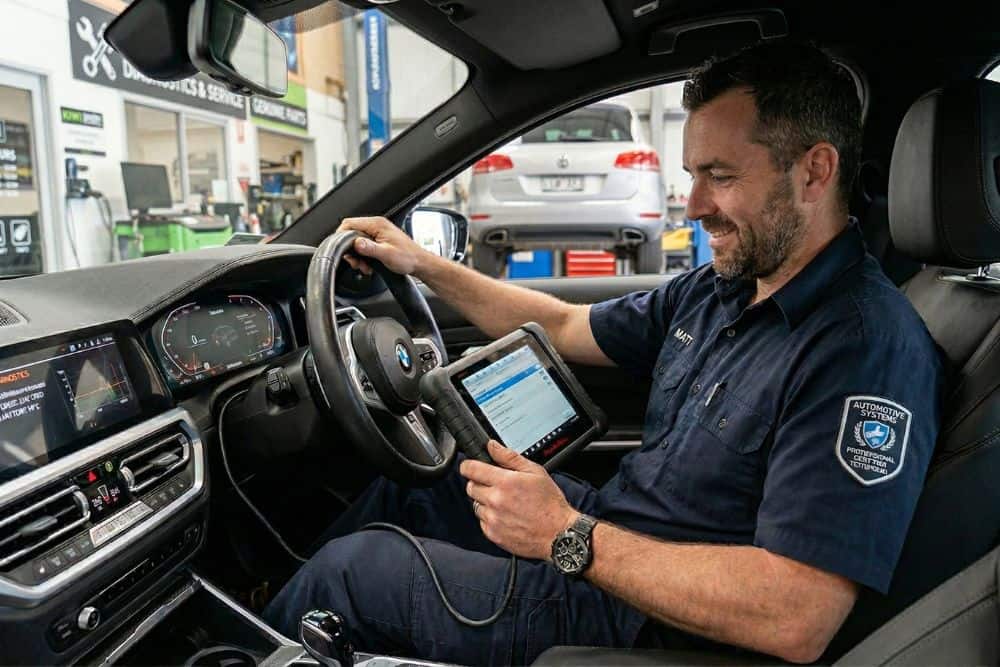
Battery registration cannot be done without the right diagnostic tools. Generic OBD2 code readers, which are popular for reading and clearing basic fault codes, typically do not have the capability to perform battery registration on European vehicles. The process requires either the manufacturer’s own proprietary diagnostic software or a high-quality aftermarket diagnostic system that supports battery registration for specific makes and models.

For BMW vehicles, the standard dealer tool is ISTA, while Mercedes-Benz uses Xentry. VAG group vehicles (Audi, Volkswagen, Porsche, SEAT, Skoda) use ODIS or similar platforms. These systems allow the technician to input the exact battery specifications and complete the registration or coding process correctly. Quality aftermarket tools from brands like Autel and Bosch can also perform battery registration on many European vehicles, provided they are kept up to date with the latest software.

At Eurosparx, we use advanced diagnostic equipment that covers a wide range of European and Japanese vehicles. This means we can perform battery registration accurately and efficiently, ensuring your car’s BMS has the correct information from the moment the new battery is installed. Having the right tools makes the difference between a proper battery replacement and one that could lead to ongoing problems.

Common Signs Your European Car Needs a New Battery

Knowing when your European car’s battery is on its way out can save you from being stranded. One of the most common signs is slow engine cranking when you turn the key or press the start button. If the engine takes noticeably longer to turn over, especially on cold mornings, the battery may be losing its ability to deliver the high current needed for starting. Modern European cars may also display a battery warning light or a specific message on the dashboard telling you that the battery’s state of charge is low.

Other signs include electrical accessories behaving erratically, such as flickering interior lights, the infotainment system resetting itself, or power windows moving more slowly than usual. If your car’s start-stop system stops functioning, this is often a sign that the BMS has detected the battery is no longer healthy enough to support the feature. Some drivers also notice that their car takes longer to lock or unlock with the keyless entry system, as the body control module reduces functionality to conserve battery power.

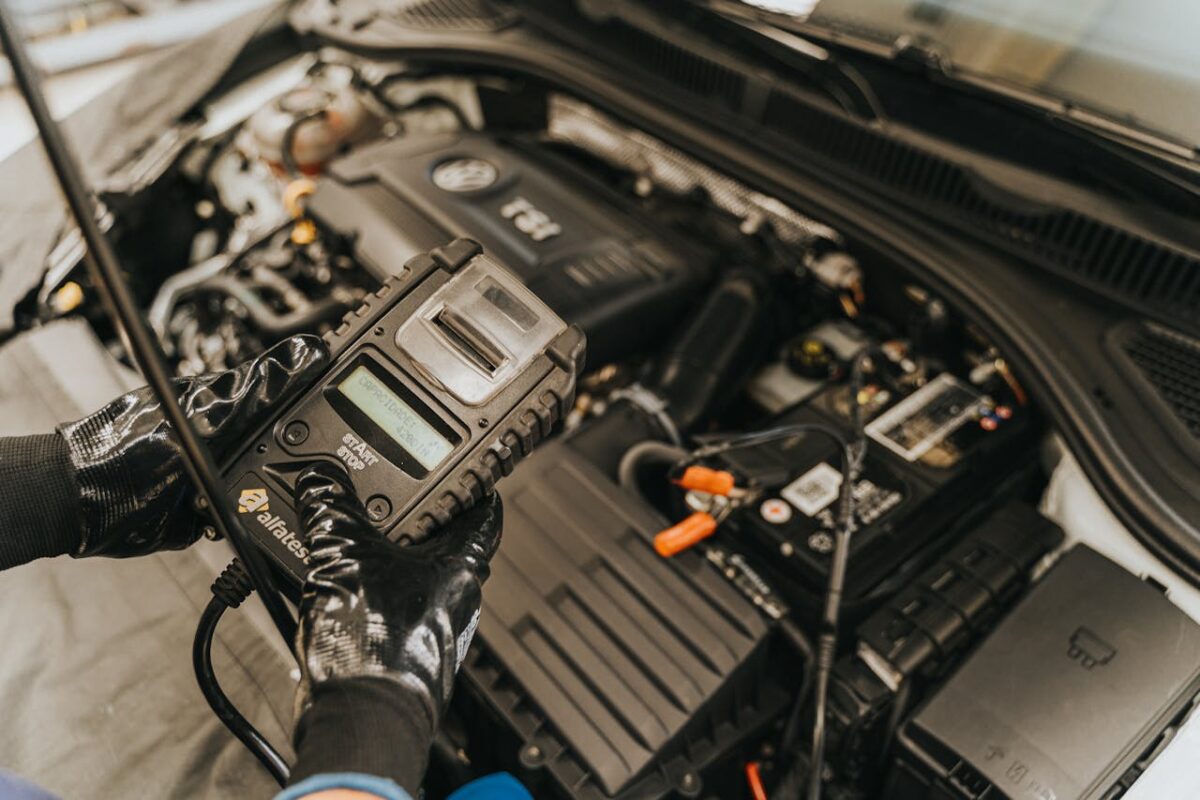
If you notice any of these symptoms, it’s a good idea to have your battery tested before it fails completely. A professional battery test can measure the battery’s state of health and cold cranking amps to determine whether it still has enough life left or whether replacement is needed. Having the test done by a specialist who understands European cars ensures that the results are interpreted correctly and that any replacement includes proper registration.

Need Your European Car Battery Replaced and Registered?

Battery registration is a critical step that should never be skipped when replacing the battery in a European vehicle. It ensures the car’s battery management system has the correct information to charge and manage the new battery properly, which protects the battery, the alternator, and every other electrical system in the car. Getting the right battery and having it professionally installed and registered will save you money and headaches in the long run.

As experienced auto electricians and suppliers of car batteries in Auckland, Eurosparx specialises in European and Japanese vehicles and can supply, fit, and register the correct battery for your car. We have the diagnostic tools and expertise to make sure the job is done right the first time. Contact our team today by calling 09 218 7789 to book your battery replacement.

Frequently Asked Questions

What is battery registration on a European car?

Battery registration is a software process that tells your European car’s battery management system (BMS) that a new battery has been installed. Using a diagnostic tool, a technician inputs the new battery’s details, including its type, capacity, and specifications. The BMS then resets its internal data and adjusts its charging strategy to suit the new battery, ensuring correct charging voltage and proper management of the vehicle’s electrical systems.

What happens if I don’t register my new car battery?

If you skip battery registration, your car’s BMS will continue charging the new battery as if it were the old, degraded one. This typically results in overcharging, which generates excess heat and dramatically shortens the new battery’s lifespan. You may also experience dashboard warning lights, loss of start-stop functionality, stored fault codes in multiple control modules, and in some cases, premature failure of the alternator or other electrical components.

Can I register a car battery myself?

In theory, you can register a car battery yourself if you have the correct diagnostic tool and software for your vehicle. However, basic OBD2 code readers cannot perform battery registration on most European cars. You need a manufacturer-level or professional-grade aftermarket diagnostic system. Because incorrect registration can cause charging problems and damage, it’s generally recommended to have the process done by a qualified auto electrician with the right equipment.

Which European car brands require battery registration?

Most modern European car brands require battery registration, including BMW, Mercedes-Benz, Audi, Volkswagen, Porsche, MINI, and Volvo. BMW has required it on most models since around 2002, and other brands adopted similar systems from the mid-2000s onward. The specific procedure varies by make, model, and year, so it’s important to work with a specialist who understands the requirements for your particular vehicle.

How long does a battery last in a European car?

With proper registration and correct battery selection, a battery in a European car typically lasts between four and six years. Factors that affect battery life include driving habits, climate, the number of short trips versus longer drives, and the electrical demands of the vehicle’s accessories. Regular testing can help identify when a battery is nearing the end of its useful life, allowing you to replace it before it fails unexpectedly.

Does Eurosparx supply and register batteries for European cars?

Yes, Eurosparx supplies, installs, and registers batteries for a wide range of European vehicles, including BMW, Mercedes-Benz, Audi, Volkswagen, and more. Based in Avondale, West Auckland, we carry batteries suited to European specifications including AGM and EFB types. Our diagnostic equipment allows us to complete the registration and coding process correctly, ensuring your car’s electrical system operates as intended with the new battery.

Categories
Car Batteries

Signs Your Car Battery Is Dying (Before It Leaves You Stranded)

Few things are more frustrating than turning your key or pressing the start button only to hear a weak groan from your engine, or worse, complete silence. A dying car battery rarely fails without warning. In most cases, there are clear signs that your battery is on its way out well before it leaves you stranded in a car park or on the side of the road. This article covers the most common warning signs of a failing car battery, what causes batteries to deteriorate, and what you can do to stay ahead of the problem.

What Are the Most Common Signs of a Dying Car Battery?

The most common signs of a dying car battery include slow engine cranking, dimming headlights, electrical issues with accessories, a dashboard battery warning light, and a swollen or corroded battery case. If you notice any combination of these symptoms, your battery is likely nearing the end of its life and should be tested or replaced as soon as possible.

Slow or Sluggish Engine Cranking

When you turn the key or press the ignition button, the starter motor draws a large amount of current from the battery to get the engine turning. If your battery is losing its charge capacity, the engine will crank more slowly than usual. You might notice that the engine takes longer to turn over, or the cranking sound is lower-pitched and laboured compared to how it normally sounds. This is one of the earliest and most recognisable signs that your battery is struggling.

In colder weather, slow cranking can be even more pronounced. Cold temperatures reduce a battery’s ability to deliver current, so a battery that is already weak will have an even harder time starting the engine on a chilly Auckland morning. If you notice this happening repeatedly, do not ignore it. A battery that cranks slowly today could fail entirely tomorrow.

Dimming or Flickering Headlights

Your headlights are one of the biggest electrical draws on your vehicle, and they are a reliable indicator of battery health. If your headlights appear dimmer than usual, especially when the car is idling or when you first start the engine, it could mean the battery is not holding enough charge to power them at full brightness. You might also notice the lights flickering or briefly dimming when you use other electrical accessories like the air conditioning or power windows.

This dimming effect happens because a weakened battery cannot supply consistent voltage to all the electrical systems at once. As the alternator works harder to compensate, you may also notice the lights brighten slightly when you rev the engine. While a faulty alternator can also cause similar symptoms, a dying battery is the more common culprit and should be checked first.

Dashboard Battery Warning Light

Modern vehicles are equipped with an array of sensors that monitor critical systems, including the charging system. If your dashboard battery light comes on while you are driving, it is telling you that the charging system is not maintaining the correct voltage. This could point to a dying battery, a failing alternator, or a problem with the wiring between the two. Either way, it is a warning that should not be ignored.

In some cases, the battery light may flicker on and off intermittently before staying on permanently. This is often a sign that the battery is on the edge of failure. If you see this light, it is a good idea to get your battery and charging system tested promptly. Driving with a failing charging system can leave you stranded if the battery drains completely while the engine is running.

Electrical Accessories Acting Up

Your car battery powers everything from the radio and interior lights to the power windows, central locking, and infotainment system. When the battery starts to fail, these accessories may behave erratically. You might notice your radio resetting itself, your clock losing time, your power windows moving more slowly than usual, or your seat memory settings disappearing. These electrical gremlins are often the battery’s way of telling you it cannot keep up with demand.

On newer vehicles with more complex electronics, a weak battery can cause even stranger issues. You may see random warning lights on the dashboard, experience glitches with the touchscreen, or find that your keyless entry system becomes unreliable. Because modern cars rely so heavily on stable voltage to run their electronic control units, even a slight drop in battery performance can trigger a cascade of odd symptoms that might seem unrelated to the battery at first glance.

A Swollen or Misshapen Battery Case

If you pop the bonnet and notice that your battery case looks bloated or swollen, this is a serious warning sign. A swollen battery is usually caused by excessive heat or overcharging, both of which cause a build-up of hydrogen gas inside the battery. This distortion of the case means the internal chemistry of the battery has been compromised, and the battery is no longer safe or reliable to use.

In Auckland’s climate, heat can be a significant factor in battery degradation, particularly during summer months. High temperatures accelerate the chemical reactions inside the battery, which speeds up wear on the internal plates and can lead to premature failure. If your battery case is visibly swollen or deformed in any way, it should be replaced immediately rather than tested or recharged.

Corrosion Around the Battery Terminals

A build-up of white, blue, or greenish powdery residue around your battery terminals is a sign of corrosion. While some minor corrosion can develop over time on any battery, excessive or rapidly forming corrosion often indicates that the battery is leaking acid or venting gases more than it should. This can be a sign that the battery is failing internally and is no longer sealed properly.

Corrosion on the terminals also creates resistance in the electrical connection, which means less current gets from the battery to the starter motor and other components. This can make a battery that still has some life left in it perform as though it is nearly dead. Cleaning the terminals can help in the short term, but if the corrosion keeps coming back quickly, the battery itself is likely the problem and will need to be replaced.

The Engine Only Starts With a Jump

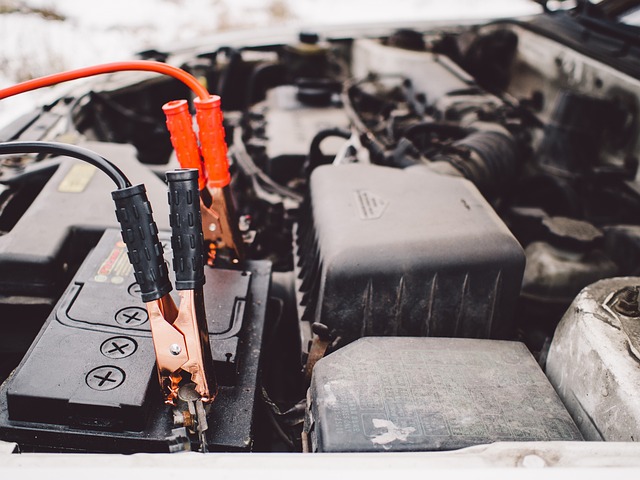
If you find yourself needing to jump-start your car more than once, your battery is almost certainly on its way out. A healthy battery should be able to hold a charge from the alternator and start the engine reliably every time. Needing a jump-start once could be explained by leaving the lights on or an accessory draining the battery overnight, but if it happens repeatedly, the battery can no longer hold a sufficient charge on its own.

Relying on jump-starts as a temporary fix is not a good long-term strategy. Each time a battery is fully drained and then jump-started, it puts additional stress on the battery’s internal plates. This further reduces its capacity and lifespan. On top of that, repeated jump-starting can also put strain on your alternator, which has to work overtime to recharge a deeply discharged battery while also powering the rest of the vehicle’s electrical systems.

What Causes a Car Battery to Die?

Car batteries degrade over time due to a combination of age, usage patterns, climate, and the demands placed on them by your vehicle’s electrical systems. Understanding what causes a battery to fail can help you recognise the warning signs earlier and take preventative action before you end up stranded.

Age and Natural Wear

Most car batteries have a lifespan of roughly three to five years, depending on the type of battery, the vehicle it is in, and how it is used. Over time, the lead plates inside the battery gradually corrode and lose their ability to hold a charge. This is a natural and unavoidable process. No matter how well you maintain your battery, it will eventually reach a point where it can no longer reliably start your engine.

If your battery is more than three years old, it is worth having it tested periodically, even if you have not noticed any obvious symptoms. A battery can go from performing adequately to failing completely in a very short space of time, and proactive testing is the best way to avoid being caught off guard.

Short Trips and Infrequent Driving

Your alternator recharges the battery while the engine is running, but it needs time to fully replenish the charge that was used to start the engine. If you regularly make short trips of just a few minutes, the alternator may not have enough time to fully recharge the battery. Over weeks and months, this leads to a gradual decline in the battery’s state of charge, which accelerates wear on the internal plates.

Similarly, if a car sits unused for extended periods, the battery will slowly discharge on its own. Modern vehicles have numerous electronic systems that draw small amounts of power even when the car is turned off, such as the alarm system, keyless entry receiver, and clock. These parasitic draws can flatten a battery over a few weeks of inactivity, and repeated deep discharges shorten the battery’s overall lifespan significantly.

Extreme Temperatures

Both heat and cold affect battery performance, but in different ways. Heat accelerates the chemical degradation of the battery’s internal components, effectively shortening its lifespan. Cold temperatures, on the other hand, reduce the battery’s ability to deliver current at the moment you need it most. While Auckland does not experience the extreme cold of some regions, summer heat can certainly take a toll on batteries, and even a moderately cold winter morning can expose a battery that is already weakened.

The combination of summer heat degrading the battery followed by cooler autumn and winter temperatures demanding more from it is one of the main reasons batteries tend to fail as the weather changes. If your battery survived summer but seems sluggish as the temperatures drop, it may have been damaged by the heat and is only now showing symptoms.

Electrical System Issues

A faulty alternator, a parasitic electrical drain, or corroded wiring can all place additional stress on your battery and cause it to fail prematurely. If the alternator is not charging the battery properly, the battery will be in a constant state of undercharge, which damages it over time. A parasitic drain from a malfunctioning component that stays on when the car is off can flatten the battery overnight. These kinds of issues can make even a brand-new battery fail within months if they are not identified and fixed.

This is why it is important to have the entire charging and electrical system checked when you replace a battery. Simply swapping in a new battery without diagnosing the root cause of the failure can result in the new battery dying just as quickly as the old one. A proper auto electrical inspection will identify any underlying faults that need to be addressed alongside the battery replacement.

How to Test Your Car Battery

If you are experiencing any of the symptoms described above, getting your battery tested is the logical next step. A professional battery test gives you a clear picture of your battery’s current condition and how much life it has left, taking the guesswork out of the equation.

Professional Load Testing

The most reliable way to test a car battery is with a professional load test or conductance test. These tests measure the battery’s ability to deliver current under load and assess the condition of the internal plates. A load test will tell you whether the battery is in good health, marginal, or needs to be replaced. Most auto electricians can perform this test quickly, and it is often done at no charge or for a small fee.

A professional test is far more accurate than simply checking the voltage with a multimeter. A battery can show a healthy voltage reading of around 12.6 volts when sitting idle but still fail under the load of starting the engine. The load test simulates this demand and reveals whether the battery can actually perform when it counts. If you suspect your battery is on the way out, a professional test is the quickest way to get a definitive answer.

Checking the Battery at Home

If you have a multimeter at home, you can do a basic check of your battery’s resting voltage. With the engine off and no accessories running, a fully charged battery should read around 12.4 to 12.6 volts. A reading below 12.2 volts suggests the battery is partially discharged, and anything below 12.0 volts means it is significantly depleted. While this does not tell you about the battery’s overall health or capacity, it can give you a rough indication of its current state of charge.

You can also do a simple visual inspection. Check the terminals for corrosion, make sure the connections are tight, and look at the battery case for any signs of swelling, cracking, or leaking. If the battery has a built-in charge indicator (a small window on the top), a green dot typically means the battery is charged, while a dark or clear indicator suggests it is low or needs attention. These checks are not a substitute for a professional test, but they can help you decide whether a trip to the auto electrician is warranted.

When Should You Replace Your Car Battery?

You should replace your car battery as soon as testing confirms it is no longer performing to specification, or if you are experiencing multiple warning signs at the same time. Waiting until the battery fails completely is a gamble that often results in being stranded at the worst possible time. If your battery is more than three years old and showing any of the symptoms discussed in this article, proactive replacement is the smartest move.

When choosing a replacement battery, it is important to select one that matches your vehicle’s specifications. This includes the correct group size, terminal configuration, and cold cranking amps (CCA) rating. European and Japanese vehicles in particular can have specific battery requirements, and fitting the wrong battery can lead to poor performance or damage to the electrical system. An experienced auto electrician will be able to recommend and fit the right battery for your vehicle, ensuring it is properly secured and the terminals are correctly connected.

It is also worth considering the type of battery technology that suits your driving habits. Standard flooded lead-acid batteries are the most common and affordable option, while AGM (Absorbent Glass Mat) batteries offer better performance for vehicles with start-stop systems or high electrical demands. Your auto electrician can advise you on the best option based on your vehicle and how you use it.

Need Help With Your Car Battery in Auckland?

A dying car battery gives you plenty of warning signs before it fails completely. Slow cranking, dimming headlights, dashboard warning lights, erratic electronics, and visible damage to the battery case are all signals that you should act sooner rather than later. By keeping an eye out for these symptoms and getting your battery tested when something feels off, you can avoid the inconvenience and stress of an unexpected breakdown.

As a car battery specialist in Auckland, Eurosparx can test, supply, and install the right battery for your vehicle. We stock a complete range of batteries for both European and Japanese vehicles and can also inspect your charging system to make sure a new battery will last as long as it should. Contact our team today by calling 09 218 7789 to book a battery test or replacement.

Frequently Asked Questions

What are the first signs of a dying car battery?

The first signs of a dying car battery are usually slow engine cranking, dimming headlights at idle, and small electrical glitches like the radio resetting or the clock losing time. These symptoms indicate the battery is no longer able to supply consistent power to the vehicle’s electrical systems. If you notice any of these signs, it is a good idea to have your battery professionally tested before it fails completely.

How long do car batteries typically last?

Most car batteries last between three and five years, depending on the type of battery, your driving habits, and the climate. Frequent short trips, extreme temperatures, and high electrical demands can all shorten a battery’s lifespan. If your battery is older than three years, it is worth having it tested regularly to check its condition and avoid an unexpected failure.

Can a car battery die suddenly without warning?

While it can feel like a battery has died suddenly, there are almost always warning signs beforehand. Slow cranking, dim lights, and electrical issues typically develop gradually over days or weeks before the battery fails completely. These signs are easy to overlook or dismiss, which is why many drivers feel caught off guard. Paying attention to how your car starts and how the lights perform can help you spot trouble early.

Does a car battery charge while the engine is idling?

Yes, the alternator does charge the battery while the engine is idling, but the charge rate is much lower than when driving at higher engine speeds. If you regularly only idle or take very short trips, the alternator may not fully replenish the charge used to start the engine. Over time, this leads to a gradual decline in the battery’s state of charge and can shorten its lifespan.

Should I replace the battery myself or go to a professional?

While replacing a battery is straightforward on some older vehicles, many modern cars require specific procedures to avoid losing electronic settings or triggering fault codes. European and Japanese vehicles in particular can need the new battery to be registered with the vehicle’s computer system. An auto electrician can ensure the correct battery is fitted, the terminals are properly connected, and the charging system is working as it should.

Categories
Car Batteries

How Long Should a Car Battery Really Last in NZ?

If you’re wondering how long your car battery should last in New Zealand, you’re not alone. It’s one of the most common questions Kiwi drivers ask, and the answer isn’t always straightforward. Battery life depends on a range of factors, from the type of vehicle you drive to the climate you live in and how often you use your car. In this article, we’ll cover the typical lifespan of a car battery in NZ, what affects its longevity, the warning signs that it’s failing, and what you can do to get the most out of it.

How Long Does a Car Battery Last in New Zealand?

In New Zealand, a car battery will typically last between three and five years. Some batteries may push past the five-year mark, but this is the exception rather than the rule. Most automotive professionals recommend getting your battery tested once it reaches the three-year point, even if it seems to be working fine. A battery can lose a significant amount of its capacity without showing obvious signs of trouble until the day it refuses to start your car.

The three-to-five-year range is a general guide, and the actual lifespan you get from your battery will depend on several variables. Drivers in Auckland, for example, benefit from a relatively mild climate compared to parts of the South Island, which can help batteries last a bit longer. However, Auckland’s stop-start traffic and high humidity can introduce their own challenges. Short trips around suburbs like Avondale, Mt Albert, or Henderson mean the alternator doesn’t always get enough time to fully recharge the battery, which can shorten its life over time.

It’s also worth noting that not all batteries are created equal. A quality battery from a reputable brand, properly matched to your vehicle, will almost always outlast a cheap, generic option. European vehicles like BMW, Audi, and Volkswagen often require specific battery types with higher specifications, and fitting the wrong battery can lead to premature failure or even damage to your car’s electrical system.

What Factors Affect Car Battery Life?

Driving Habits and Trip Length

Your driving habits play a major role in how long your battery lasts. If you mainly drive short trips around town, your battery is under more stress than you might think. Every time you start your engine, the battery delivers a large burst of energy to the starter motor. On a short trip, the alternator may not run long enough to fully replace the charge that was used during startup. Over weeks and months, this leads to a gradual decline in the battery’s overall charge level, a condition known as chronic undercharging.

Chronic undercharging causes sulphation, which is a buildup of lead sulphate crystals on the battery plates. Once sulphation becomes severe, it permanently reduces the battery’s ability to hold a charge. Drivers who regularly commute on the motorway or take longer trips give their alternator enough time to keep the battery topped up, which helps prevent this issue. If your car sits unused for extended periods, such as a second vehicle that only gets driven on weekends, the battery can also slowly discharge on its own due to the electrical systems that remain active even when the engine is off.

Climate and Temperature

New Zealand’s climate is generally kinder to car batteries than extreme environments overseas, but it still has an impact. Heat is actually the biggest enemy of battery life. High temperatures accelerate the chemical reactions inside the battery, which causes the internal components to degrade faster. While Auckland doesn’t experience the extreme heat found in places like Australia, summer temperatures combined with engine bay heat can still take a toll over the years.

Cold weather, on the other hand, reduces a battery’s ability to deliver power. This is why batteries tend to fail on cold winter mornings. The cold doesn’t usually cause the damage itself, but it exposes a battery that has already weakened over time. If you live in a cooler part of the Auckland region or regularly travel to colder areas, your battery needs to be in good condition to handle those temperature drops reliably.

Vehicle Type and Electrical Demands

Modern vehicles place much higher demands on their batteries than cars from even ten or fifteen years ago. Today’s cars are packed with electronic systems, from infotainment screens and GPS units to advanced driver assistance systems (ADAS), keyless entry, and multiple control modules that stay active even when the car is parked. All of these systems draw power from the battery, and the more electronics your vehicle has, the harder the battery has to work.

European vehicles, in particular, are known for their complex electrical architectures. Cars like Mercedes-Benz, BMW, and Audi often use AGM (Absorbent Glass Mat) batteries instead of standard lead-acid batteries because they need to support higher electrical loads and start-stop engine systems. These AGM batteries are more expensive, but they’re designed to handle the repeated deep discharges that come with start-stop technology. Fitting a standard flooded battery in a vehicle that requires an AGM battery is a common mistake that leads to early failure and potential electrical faults. Japanese vehicles like Toyota, Honda, and Nissan also have their own specific battery requirements, and it’s always important to match the correct battery to your vehicle’s specifications.

Battery Quality and Fitment

The quality of the battery you choose matters more than most people realise. Budget batteries might save you money upfront, but they often use thinner plates and lower-quality materials, which means they won’t last as long or perform as reliably. A good-quality battery from a trusted brand, correctly sized and rated for your specific vehicle, is one of the best investments you can make in your car’s reliability.

Proper fitment is just as important. A battery that’s too small or doesn’t have the correct terminal configuration can cause poor connections, vibration damage, and charging issues. In some modern vehicles, the battery also needs to be registered or coded to the car’s computer system when it’s replaced. This is especially common in European cars with intelligent battery management systems. If the new battery isn’t registered, the car’s charging system may not operate correctly, which can lead to overcharging or undercharging and a much shorter battery life.

Warning Signs Your Car Battery Is Failing

Slow Engine Cranking

One of the most obvious signs of a failing battery is when the engine cranks slowly when you turn the key or press the start button. Instead of the engine firing up quickly and confidently, you’ll notice a sluggish, laboured cranking sound. This happens because the battery no longer has enough power to turn the starter motor at full speed. If you notice this, especially on a mild day when cold weather isn’t a factor, it’s a strong sign that your battery is nearing the end of its life and should be tested as soon as possible.

Dimming Lights and Electrical Issues

If your headlights seem dimmer than usual, particularly at idle, or if you notice your interior lights flickering, the battery could be struggling to keep up with the vehicle’s electrical demands. You might also experience issues with power windows moving slower than normal, the radio cutting out, or the infotainment system resetting on its own. While these symptoms can sometimes point to alternator problems or other electrical faults, the battery is often the first thing to check.

Dashboard Warning Lights

Many modern vehicles have a battery warning light on the dashboard that will illuminate if the charging system detects a problem. This light might look like a small battery icon or could be part of a broader electrical system warning. Don’t ignore this light. It could indicate a failing battery, a faulty alternator, or a wiring issue. Getting a proper diagnostic check will help pinpoint the exact cause so you’re not left stranded.

Swollen Battery Case or Corrosion

If you pop the bonnet and notice that the battery case looks swollen or bloated, that’s a sign of internal damage, often caused by overcharging or excessive heat. A swollen battery should be replaced immediately, as it can be a safety hazard. Also look for corrosion around the battery terminals. A white or greenish powdery buildup on the terminals can prevent a good electrical connection and cause starting problems. While corrosion can sometimes be cleaned, heavy buildup is often a sign that the battery is venting acid and should be replaced.

How to Get the Most Out of Your Car Battery

Take Regular Longer Drives

If most of your driving consists of short trips around Auckland’s suburbs, try to take a longer drive of at least 20 to 30 minutes once a week. This gives the alternator enough time to fully recharge the battery and helps prevent the chronic undercharging that leads to premature failure. A drive on the motorway or a trip out to the Waitākere Ranges or along the western coast will do the job nicely and give your battery the charge it needs to stay healthy.

Keep the Battery Clean and Secure

Periodically check your battery terminals for corrosion and clean them if needed. A wire brush and a mixture of baking soda and water can remove light corrosion effectively. Make sure the battery is properly secured in its tray as well. Vibration from driving on rough roads can damage the internal plates of the battery over time, so a firm hold-down clamp is essential. This is a simple maintenance step that many people overlook, but it can genuinely extend your battery’s life.

Limit Electrical Use When the Engine Is Off

Leaving your headlights on, playing the radio, or charging your phone with the engine off all drain the battery without the alternator running to replenish it. Even leaving a dashcam connected when the car is parked overnight can slowly drain the battery over time. If you use accessories like these, be mindful of how much power they draw and consider disconnecting them when the car isn’t running. Some modern vehicles have a battery protection feature that will cut power to certain systems when the voltage drops too low, but not all cars have this, and it’s better to be proactive.

Get Regular Battery Tests

The best way to avoid an unexpected flat battery is to have it tested regularly, especially once it’s past the three-year mark. A professional battery test measures the cold cranking amps (CCA) and overall health of the battery, giving you a clear picture of how much life it has left. This is a quick test that can be done during a routine service or as a standalone check. Knowing the state of your battery before winter arrives can save you from a cold morning breakdown.

When Should You Replace Your Car Battery?

If your battery is more than three years old and you’re starting to notice any of the warning signs mentioned above, it’s time to have it tested and likely replaced. Even without symptoms, replacing a battery that’s approaching the four-to-five-year mark is a smart preventative measure, especially if you rely on your vehicle for daily commuting or work. The cost of a new battery is far less than the inconvenience and potential expense of a roadside breakdown or needing a tow.

When it comes time to replace your battery, make sure you choose the right one for your vehicle. As mentioned earlier, European and Japanese vehicles often have specific battery requirements, and fitting the wrong type can cause ongoing problems. It’s also important that the new battery is installed correctly and, where necessary, registered to the vehicle’s computer system. Having a qualified auto electrician handle the replacement ensures everything is done properly and that your car’s electrical system continues to function as it should.

Need a Car Battery Test or Replacement in Auckland?

A car battery in New Zealand should last between three and five years, but the actual lifespan depends on your driving habits, the climate, your vehicle type, and the quality of the battery itself. Regular testing, proper maintenance, and choosing the right battery for your car are the best ways to avoid unexpected breakdowns and get the most value from your investment.

As a trusted car battery specialist in Auckland, Eurosparx can test your existing battery, advise on the best replacement for your vehicle, and install it correctly, including battery registration for European vehicles that require it. We stock quality batteries for both Japanese and European cars and can have you back on the road quickly. Contact our team today by calling 09 218 7789.

Frequently Asked Questions

How long does a car battery last in New Zealand?

A car battery in New Zealand typically lasts between three and five years. The exact lifespan depends on factors like your driving habits, the climate you drive in, and the type of vehicle you own. Regular testing after the three-year mark is recommended to catch any decline in performance before the battery fails completely and leaves you stranded.

What are the signs that my car battery is dying?

Common signs of a failing car battery include slow engine cranking, dimming headlights, flickering interior lights, and electrical accessories behaving erratically. You may also see a battery warning light on your dashboard or notice corrosion or swelling around the battery itself. If you experience any of these symptoms, have your battery tested by a professional as soon as possible.

Does short-trip driving affect car battery life?

Yes, frequent short trips can significantly reduce your car battery’s lifespan. Short drives don’t give the alternator enough time to fully recharge the battery after starting the engine. Over time, this leads to chronic undercharging and sulphation of the battery plates, which permanently reduces its capacity. Taking a longer drive of 20 to 30 minutes at least once a week can help counter this.

Do European cars need a special type of battery?

Many European vehicles, particularly those with start-stop technology, require an AGM (Absorbent Glass Mat) battery rather than a standard flooded lead-acid battery. AGM batteries are designed to handle deeper discharges and higher electrical demands. Fitting the wrong battery type can cause charging issues and premature failure, and some European cars also require the new battery to be registered to the vehicle’s computer system.

How can I make my car battery last longer?

You can extend your car battery’s life by taking regular longer drives to keep it fully charged, keeping the terminals clean and free of corrosion, ensuring the battery is securely mounted, and avoiding excessive use of electrical accessories when the engine is off. Having your battery professionally tested at least once a year after it reaches three years old will also help you stay ahead of any issues.

Categories
Auto Electrical Car Batteries Electric & Hybrid Vehicles

12V Battery Problems in Electric Vehicles (Yes, They Have Them!)

Electric vehicles have revolutionised the way we think about driving, but many owners are surprised to learn that their high-tech EV still relies on a traditional 12V car battery. While the large traction battery powers the motor and drivetrain, the humble 12V battery handles critical functions that keep your vehicle operational. Understanding common 12V battery problems in electric vehicles can save you from unexpected breakdowns and costly repairs, especially here in Auckland where our unique climate and driving conditions can affect battery performance.

Why Electric Vehicles Still Need a 12V Battery

The Role of the 12V Battery in Your EV

The 12V battery in an electric vehicle serves a completely different purpose than the main high-voltage battery pack. While the traction battery stores energy to power the electric motor and propel your vehicle, the 12V battery is responsible for running all the auxiliary systems. These include your lights, infotainment system, power windows, door locks, and most importantly, the computers that control your entire vehicle. Without a functioning 12V battery, your EV simply cannot operate, regardless of how much charge remains in the main battery.

One of the most critical functions of the 12V battery is to power the contactors that connect the high-voltage battery to the rest of the vehicle. When you press the start button on your EV, the 12V battery sends a signal to close these contactors, allowing power to flow from the main battery. If your 12V battery is dead or too weak, these contactors cannot engage, and your vehicle will not start. This is why many EV owners have experienced the frustrating situation of having a fully charged main battery but being completely stranded due to a flat 12V battery.

The 12V battery also maintains essential systems when the vehicle is parked and turned off. Your security system, key fob receiver, and various monitoring systems continue to draw small amounts of power around the clock. In modern EVs with connected features, the vehicle may periodically wake up to check for software updates or communicate with servers, all powered by the 12V battery. This constant drain, known as parasitic draw, can deplete the 12V battery over time, particularly if the vehicle sits unused for extended periods.

Common 12V Battery Problems in Electric Vehicles

Premature Battery Failure

One of the most frequently reported issues with 12V batteries in EVs is premature failure. Unlike traditional petrol or diesel vehicles where the alternator constantly recharges the 12V battery while driving, EVs use a DC-DC converter to step down voltage from the main battery pack. This charging method works differently and can sometimes result in the 12V battery not receiving an optimal charge. Many EV owners report needing to replace their 12V battery within two to three years, compared to the four to five year lifespan typical in conventional vehicles.

The charging cycles in an EV can also contribute to premature wear. The 12V battery may experience more frequent partial discharge and recharge cycles compared to a traditional vehicle. This cycling pattern can accelerate the degradation of the battery plates and reduce overall capacity more quickly. Auckland’s variable climate, with its mix of humid coastal air and temperature fluctuations, can further stress the battery and shorten its useful life.

Dead Battery Without Warning

Many EV owners have experienced the unpleasant surprise of finding their vehicle completely unresponsive despite the main battery showing a full charge. Unlike conventional vehicles that may show signs of a weakening battery through slow cranking or dimming lights, EVs can mask 12V battery problems until complete failure occurs. The sophisticated electronics may compensate for a degrading battery right up until the point where it can no longer provide sufficient power to wake the vehicle systems.

Some EVs do provide warnings when the 12V battery voltage drops below acceptable levels, but these warnings can be easy to miss or may appear only briefly on the dashboard. If you miss this notification or dismiss it without taking action, you could find yourself stranded. It is worth checking your owner’s manual to understand what warning signs your particular EV model displays and making a habit of monitoring battery health through the vehicle’s diagnostic systems if available.

Software-Related Drain Issues

Electric vehicles are essentially computers on wheels, and software bugs can sometimes cause excessive drain on the 12V battery. Certain vehicle systems may fail to enter sleep mode properly when the car is parked, continuing to draw power at higher than normal rates. Some owners have reported issues with connected features like smartphone apps that keep waking the vehicle, while others have experienced problems following software updates that inadvertently introduced battery drain bugs.

Sentry mode and other security features in some EVs can also place significant demands on the 12V battery. While these features are designed to draw primarily from the main battery, the 12V system must remain active to support various components. If you leave these features running constantly, particularly when the vehicle is parked for extended periods, you may find your 12V battery depleted much faster than expected. Checking your vehicle’s settings and understanding which features impact battery drain can help you avoid unexpected problems.

Extreme Temperature Effects

While Auckland generally enjoys a mild climate compared to many parts of the world, temperature variations can still impact 12V battery performance. Cold winter mornings can reduce battery capacity temporarily and make it harder for a marginal battery to provide enough power to start the vehicle systems. Conversely, hot summer days can accelerate the chemical reactions inside the battery, potentially speeding up degradation over time.

EVs parked outdoors for extended periods are particularly susceptible to temperature-related issues. The vehicle’s thermal management system focuses primarily on the main battery pack, often leaving the 12V battery more exposed to ambient temperature swings. If you park your EV in direct sunlight during Auckland’s warmer months or leave it exposed to cold overnight temperatures in winter, consider how this might be affecting your 12V battery health over the long term.

Signs Your EV’s 12V Battery Needs Attention

Warning Messages and Dashboard Alerts

Most modern EVs include monitoring systems that can detect when the 12V battery voltage is dropping below optimal levels. These warnings may appear as text messages on your dashboard display, warning lights, or notifications through your vehicle’s smartphone app. Taking these alerts seriously and having your battery tested promptly can prevent you from being stranded at an inconvenient time and place.

Some vehicles provide more detailed information about 12V battery status than others. If your EV has a comprehensive diagnostic system, it may show you voltage readings, state of charge, or even battery health percentages. Learning how to access and interpret this information can give you early warning of developing problems and help you plan for battery replacement before failure occurs.

Unusual Electrical Behaviour

If you notice your EV behaving strangely when starting up or shutting down, the 12V battery could be the culprit. Systems that are slow to respond, screens that take longer than usual to initialise, or features that intermittently fail to work can all indicate low voltage from a struggling battery. These symptoms may come and go initially, becoming more consistent as the battery continues to degrade.

Problems with remote access features can also signal 12V battery issues. If your smartphone app frequently shows the vehicle as unavailable or fails to connect, or if your key fob seems to have reduced range, the 12V battery may not be providing sufficient power to the relevant receivers and transmitters. While these issues could have other causes, the 12V battery should be one of the first things checked when troubleshooting such problems.

Vehicle Failing to Wake or Respond

The most obvious sign of a 12V battery problem is when your EV fails to respond at all when you attempt to unlock or start it. In this situation, pressing the unlock button on your key fob produces no response, and the vehicle appears completely dead. This can happen suddenly, leaving you stranded in a car park, at home, or wherever you last parked the vehicle.

If you find yourself in this situation, most EVs have a physical key hidden inside the key fob that can manually unlock the driver’s door. From there, you may be able to access a manual release for the bonnet to reach the 12V battery for jump-starting. However, the location of the 12V battery varies between EV models, with some placed in the front, others in the boot, and some in less obvious locations. Familiarising yourself with your vehicle’s emergency procedures before you need them is highly recommended.

Maintaining Your EV’s 12V Battery

Regular Driving and Charging Habits

One of the best ways to maintain your EV’s 12V battery is to drive the vehicle regularly. When the EV is in use, the DC-DC converter actively charges the 12V battery from the main pack, keeping it topped up and healthy. If your EV sits unused for weeks at a time, the parasitic drain from always-on systems can slowly deplete the 12V battery. Even short trips around Auckland can help keep the battery charged and the chemical processes within it active.

If you know your vehicle will be parked for an extended period, consider using a battery maintainer or trickle charger connected to the 12V battery. Some EVs have specific recommendations in their owner’s manuals for long-term storage, including whether to leave the main battery connected to a charger. Following manufacturer guidelines can help preserve both your main battery and 12V battery during periods of inactivity.

Professional Testing and Inspection

Having your 12V battery professionally tested at regular intervals is a smart preventive measure. A qualified auto electrician can perform load testing and assess the battery’s state of health more accurately than simple voltage measurements. This testing can identify a battery that is nearing the end of its life before it leaves you stranded, allowing you to plan for replacement at a convenient time.

During a professional inspection, the technician can also check the charging system to ensure the DC-DC converter is functioning correctly and providing adequate charge to the 12V battery. They can look for signs of corrosion on the terminals, check the battery mounting for security, and verify that the battery installed is the correct type and specification for your particular EV model. Some EVs have specific battery requirements, and using an incorrect replacement can lead to problems.

Choosing the Right Replacement Battery

When it comes time to replace your EV’s 12V battery, selecting the correct type is essential. Many EVs use Absorbent Glass Mat (AGM) batteries rather than traditional flooded lead-acid batteries. AGM batteries handle the cycling demands of EV applications better and are less prone to damage from vibration or being mounted in unusual positions. Using a standard flooded battery in an EV designed for an AGM battery can result in premature failure and potential damage to the vehicle’s electrical systems.

The battery’s specifications, including its capacity, cold cranking amps, and physical dimensions, must match your vehicle’s requirements. While it might be tempting to fit a larger capacity battery for extra reserve, this can cause issues if the battery does not fit properly or if the charging system is not calibrated for the different capacity. Always consult your vehicle’s documentation or a qualified auto electrician to ensure you get the right battery for your specific EV model.

What to Do When Your 12V EV Battery Fails

Emergency Starting Procedures

If your EV’s 12V battery dies, you may be able to jump-start the vehicle using a portable jump starter or another vehicle’s battery. However, the procedure for jump-starting an EV differs from a conventional vehicle, and following the correct process is critical to avoid damaging sensitive electronics. Your owner’s manual will detail the specific procedure for your vehicle, including where to connect jump leads and any precautions to observe.

Some EVs have dedicated jump-start terminals located separately from the 12V battery itself, especially when the battery is located in a difficult-to-access position. These terminals are designed to safely accept a jump-start without requiring you to access the battery directly. Once the vehicle has enough power to wake up, the DC-DC converter should take over and begin charging the 12V battery from the main pack, allowing you to drive to get the battery tested or replaced.

Seeking Professional Assistance

While a jump-start can get you moving in an emergency, it is important to have the underlying issue addressed promptly. A 12V battery that has been completely drained may have suffered permanent damage and could fail again soon. A professional auto electrician can properly diagnose whether the battery needs replacement or if there is an underlying issue, such as excessive parasitic drain or a faulty DC-DC converter, causing the problem.

Attempting to diagnose complex electrical issues in an EV without proper training and equipment can be dangerous due to the high-voltage systems involved. The main battery pack operates at several hundred volts and requires specific safety procedures to work around. A qualified technician with electric and hybrid vehicle repair experience will have the knowledge and tools to safely diagnose and repair issues with both the 12V system and its interaction with the high-voltage components.

Get Expert Help with Your EV’s 12V Battery

Understanding that your electric vehicle relies on a 12V battery for critical functions can help you avoid unexpected breakdowns and maintain your vehicle in top condition. Regular monitoring, proper maintenance, and prompt attention to warning signs will keep your EV running reliably for years to come. As an auto electrician in Auckland, Eurosparx can help you with all aspects of your EV’s electrical system, including 12V battery testing, diagnosis, and replacement. Contact our team today by calling 09 218 7789 to schedule an appointment or discuss any concerns about your electric vehicle’s battery systems.

Categories
Car Batteries

What Drains Your Car Battery Overnight (and How to Fix It)

Finding your car with a dead battery in the morning can be incredibly frustrating, especially when you’re running late for work or have important appointments. This article explores the common culprits behind overnight battery drain and provides practical solutions to prevent this issue from recurring.

Common Causes of Overnight Battery Drain

Parasitic Draw from Electrical Components

Parasitic draw occurs when electrical components continue consuming power after the vehicle is switched off. Modern vehicles have numerous electronic systems that require small amounts of power to maintain memory settings, security systems, and computer modules. However, when these systems malfunction or draw excessive current, they can completely drain your car battery within hours. A healthy vehicle should have a parasitic draw of less than 50 milliamps, but faulty components can increase this draw to several hundred milliamps or more.

Common sources of excessive parasitic draw include malfunctioning alternators with faulty diodes, stuck relays that keep circuits active, and aftermarket accessories that haven’t been properly installed. Even something as simple as a boot light that doesn’t switch off properly can drain your battery completely overnight. In Auckland’s humid climate, corroded connections can also create resistance that leads to increased current draw, accelerating battery drain.

Interior and Exterior Lights Left On

One of the most straightforward causes of overnight battery drain is accidentally leaving lights on. While most modern vehicles have automatic shut-off features for headlights, older models common on Auckland roads may not have this technology. Interior lights, boot lights, and glove box lights are particularly easy to overlook, especially if they’re not immediately visible when exiting the vehicle.

Map lights and vanity mirror lights are frequent culprits, as they can be accidentally activated and go unnoticed when leaving the vehicle. Door lights that don’t properly switch off due to faulty door switches or misaligned doors can also drain your battery. In some cases, the light itself might appear to be off, but a faulty switch keeps the circuit active, continuing to draw power throughout the night.

Faulty Alternator or Voltage Regulator

Your alternator serves two critical functions: charging the battery while driving and powering the vehicle’s electrical systems when the engine is running. When an alternator begins to fail, it may not fully charge the battery during your daily commute, leaving it partially depleted. Over successive days, this incomplete charging cycle results in a battery that appears to drain overnight but has actually been slowly losing charge over time.

A failing voltage regulator, which controls the alternator’s output, can cause similar problems. If the regulator allows the alternator to overcharge, it can damage the battery’s internal structure, reducing its capacity to hold charge. Conversely, if it undercharges, the battery never reaches full capacity. Both scenarios can manifest as overnight battery drain, though the root cause lies in the charging system rather than actual power consumption while parked.

Extreme Temperature Effects

Auckland’s variable climate, with its cool winters and humid conditions, can significantly impact battery performance. Cold temperatures reduce a battery’s chemical reaction rate, decreasing its ability to deliver power. At 0°C, a battery can lose up to 35% of its strength, and if it’s already partially discharged, this reduction can be enough to prevent starting in the morning.

High temperatures during summer can be equally damaging, accelerating the chemical reactions inside the battery and causing internal components to deteriorate faster. This deterioration reduces the battery’s overall capacity and its ability to hold charge overnight. Temperature fluctuations between day and night can also cause expansion and contraction of battery components, potentially creating internal shorts that drain power.

How to Diagnose Battery Drain Issues

Performing a Parasitic Draw Test

To identify parasitic draw, you’ll need a digital multimeter capable of measuring current. Start by ensuring all doors are closed, lights are off, and the key is removed from the ignition. Disconnect the negative battery terminal and connect your multimeter in series between the negative battery post and the negative cable. Set the multimeter to measure DC amps and observe the reading.

Allow the vehicle to enter sleep mode, which typically takes 20-30 minutes for modern vehicles with complex electronic systems. During this time, the initial draw may be higher as modules shut down sequentially. Once stabilised, the reading should be below 50 milliamps for most vehicles. If it’s higher, you’ll need to systematically remove fuses one at a time while monitoring the meter to identify which circuit is causing the excessive draw.

Document your findings carefully, noting which fuse corresponds to which system. This information will be invaluable when seeking professional help or attempting repairs yourself. Remember that some vehicles have multiple fuse boxes, including ones under the bonnet, in the cabin, and sometimes in the boot area.

Testing Battery Health and Capacity

Before assuming you have a drain issue, it’s essential to verify your battery’s health. A battery that’s reached the end of its service life may simply be unable to hold charge properly. Most auto parts stores in Auckland offer free battery testing services, or you can perform basic tests yourself with a multimeter.

A fully charged battery should read approximately 12.6 volts when the engine is off. If the voltage is below 12.4 volts, the battery is less than 75% charged. Start the engine and check the voltage again; it should read between 13.7 and 14.7 volts, indicating the alternator is charging properly. If these readings are outside normal ranges, you may have a charging system problem rather than a drain issue.

Load testing provides a more accurate assessment of battery health. This involves applying a load equal to half the battery’s cold cranking amp rating for 15 seconds while monitoring voltage. If the voltage drops below 9.6 volts during this test, the battery likely needs replacement. Professional auto electricians have specialised equipment that can perform more comprehensive battery analysis, including internal resistance testing and cell balance checks.

Solutions and Prevention Strategies

Immediate Fixes for Common Problems

Start with the simplest solutions first. Develop a routine of checking all lights before leaving your vehicle, including interior lights, boot lights, and any aftermarket lighting you’ve installed. Consider installing LED bulbs in frequently used interior lights, as they draw significantly less current than traditional incandescent bulbs, reducing the impact if accidentally left on.

Clean your battery terminals regularly using a mixture of baking soda and water to neutralise acid buildup, followed by a thorough rinse with clean water. Apply a thin layer of petroleum jelly or specialised terminal protector spray to prevent future corrosion. Ensure battery cables are tight and secure, as loose connections can cause intermittent charging problems that mimic battery drain issues.

If you’ve recently had aftermarket equipment installed, such as a stereo system, alarm, or dash cam, verify the installation was done correctly. Improper wiring or components that don’t enter sleep mode properly are common causes of battery drain in Auckland vehicles. Some aftermarket devices may need to be connected through ignition-controlled circuits rather than constant power sources.

Long-term Maintenance Practices

Establish a regular battery maintenance schedule appropriate for Auckland’s climate conditions. Test your battery every six months, particularly before winter and summer when temperature extremes place additional stress on the battery. Most batteries in Auckland last between three to five years, but this can vary based on driving habits and maintenance practices.

Consider investing in a battery tender or trickle charger if your vehicle sits unused for extended periods. These devices maintain optimal charge levels without overcharging, significantly extending battery life. For vehicles used infrequently, starting and running the engine for at least 20 minutes weekly helps maintain battery charge and prevents fuel system issues.

Keep track of your battery’s age and performance history. Mark the installation date on the battery with a permanent marker, and maintain a log of any charging issues or jump-starts required. This information helps identify patterns and predict when replacement might be necessary, preventing unexpected failures.

When to Seek Professional Help

While many battery drain issues can be diagnosed with basic tools, some problems require professional expertise and specialised equipment. If parasitic draw testing reveals excessive current consumption but you cannot identify the source, a professional auto electrician has the diagnostic tools and experience to trace complex electrical faults efficiently.

Modern vehicles with sophisticated electronic systems, particularly European models common in Auckland, often require computer diagnostics to identify module-related issues causing battery drain. Faulty body control modules, malfunctioning comfort control systems, or software glitches may not be apparent through traditional testing methods. Professional technicians have access to manufacturer-specific diagnostic tools and technical bulletins addressing known issues.

If you notice recurring battery problems despite replacing the battery, or if electrical issues accompany the drain such as flickering lights, non-functioning accessories, or warning lights on the dashboard, these symptoms indicate more complex electrical system problems requiring professional attention.

Need Help With Your Car Battery Issues?

Dealing with overnight battery drain can be frustrating, but identifying and fixing the root cause will save you time, money, and stress in the long run. Whether it’s a simple case of parasitic draw or a more complex electrical issue, addressing the problem promptly prevents being stranded with a dead battery.

As experienced auto electricians in Auckland, Eurosparx can diagnose and repair all types of battery drain issues, from simple parasitic draws to complex electrical system faults. Contact our team today by calling 09 218 7789 to schedule a comprehensive electrical system inspection and get your battery problems sorted once and for all.

Categories
Car Batteries

How to Prevent Electrical Issues After Jump-Starting a Vehicle

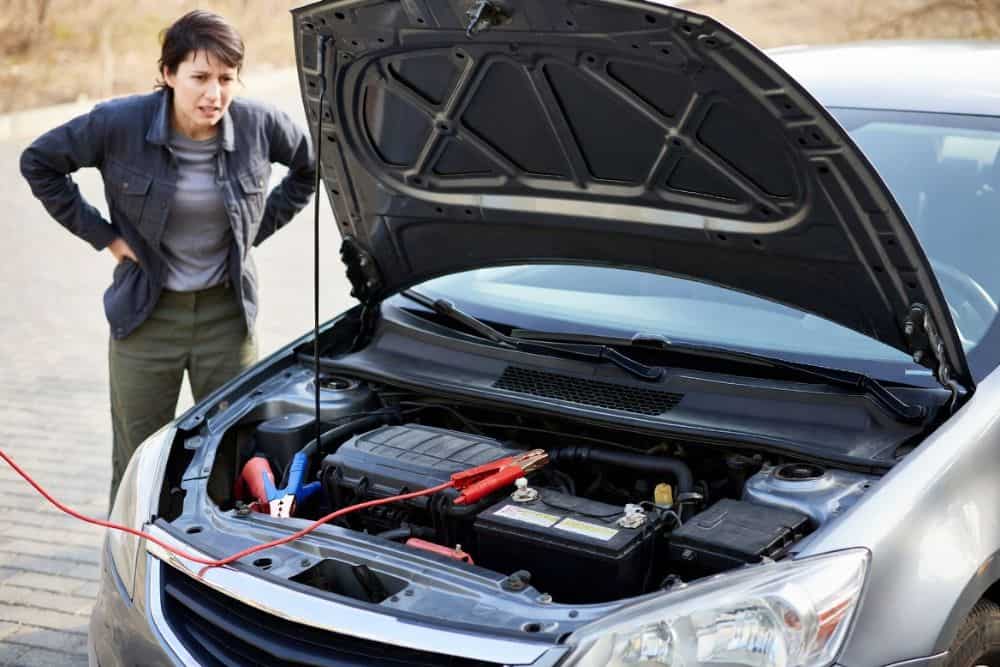
Jump-starting your car can be a lifesaver when you’re stuck with a flat battery, but it’s not the end of the story. If done incorrectly or if follow-up care is ignored, jump-starting can lead to a range of electrical problems in your vehicle. In this article, we’ll break down how to prevent electrical issues after jump-starting your car, with tips and advice tailored specifically for New Zealand conditions and vehicle types commonly found here.

Steps to Take Immediately After Jump-Starting

Drive for at Least 20 Minutes

Once your vehicle is up and running again, it’s crucial to let the alternator recharge the battery properly. Drive for at least 20 to 30 minutes to allow the alternator time to deliver a sufficient charge to the battery. Simply letting the car idle won’t be as effective, especially if electronic accessories like the radio or air conditioning are turned on. A proper drive will help restore the battery’s charge, reducing the chances of another flat battery the next time you try to start the car.

Turn Off Unnecessary Electronics

Immediately after the jump-start, turn off electronics such as the air conditioning, stereo, lights, and heaters. These systems draw power that could otherwise go towards recharging the battery. Giving your battery the best chance to regain its charge quickly is vital for protecting sensitive electrical components and preventing further issues.

Checking and Monitoring the Battery

Inspect for Corrosion and Loose Connections

Before or after a jump-start, inspect the battery terminals for corrosion or loose connections. Corrosion can prevent the battery from getting a solid charge, while loose terminals may create intermittent connectivity, leading to sudden power losses or surges. Cleaning the terminals with a mixture of baking soda and water and tightening the clamps can make a big difference.

Test the Battery’s Health

While your car may have started, the battery could still be weak or on the verge of failure. Use a multimeter to check the battery voltage once the car is off. A healthy battery should read around 12.6 volts. If it reads significantly lower, the battery might need to be replaced. Many auto electricians in New Zealand, including Eurosparx, can perform a professional battery health check for better accuracy.

Watch for Repeated Flat Batteries

If your car frequently needs a jump-start, that is a clear sign something’s wrong—possibly a dying battery or an underlying electrical drain. Simply continuing to jump-start the vehicle each time won’t fix the issue and can lead to serious damage. It’s best to consult with an auto electrician to diagnose and resolve the root cause.

Safe Jump-Starting Techniques to Prevent Damage

Use the Correct Jump-Start Procedure

Always follow the recommended order when connecting jumper leads: positive to positive, negative to a ground on the dead car (not the battery), and the reverse order when disconnecting. Incorrectly connecting cables can trigger large voltage surges, potentially damaging the vehicle’s sensitive electronics such as onboard computers, radios, or navigation systems.

Invest in Quality Jump Leads

Cheap or worn jumper leads may not only be ineffective but can cause arcing or overheating that leads to electrical shorts. High-quality, insulated jumper cables with thick gauge wiring ensure a safe and efficient transfer of power. If you’re not confident, professional services like Eurosparx offer jump-start and fault-diagnosis services across the Auckland region and beyond.

Keep an Eye on Vehicle Electronics Post Jump-Start

Monitor the Dashboard for Warning Lights

After a jump-start, pay close attention to any new warning lights on your dash, especially the check engine light, battery light, or any error messages. These could indicate that your vehicle’s electronic control unit (ECU) registered a fault during the jump-start, or that something wasn’t reset correctly. Make a note of the warning and seek advice from an auto electrician as soon as possible.

Check Secondary Electronic Systems

Sometimes non-critical systems like infotainment units, power windows, or automatic clocks may reset or behave erratically after a jump-start. In most cases, these can be resolved by resetting the system manually or with a diagnostic scan tool. Persistent issues, however, may hint at deeper electrical disturbances and should be checked by a professional.

Preventing Future Electrical Problems

Regular Battery Maintenance

Make checking your battery and terminals a regular part of your vehicle maintenance routine. In New Zealand conditions, especially with our mix of rural and urban driving, batteries can deteriorate faster due to frequent short trips or climate fluctuations. Periodic maintenance prevents premature problems and extends battery life.

Address Parasitic Battery Drains

Parasitic drains happen when electronic devices in the vehicle continue drawing power even after the car has been turned off. Common culprits include dash cams, GPS units, and aftermarket stereo systems. A qualified auto electrician can perform a parasitic draw test to locate and fix the source of the problem before the battery is permanently affected.

Install a Battery Monitor or Isolator

Consider installing a voltage monitor or battery isolator, especially if your vehicle has multiple accessories or is used frequently off-road or for camping. These systems prevent your main starting battery from being drained by auxiliary systems, keeping your vehicle ready to start when you need it most. These systems are particularly useful in the New Zealand context, where vehicles are often used for outdoor activities requiring AC/DC accessories.

Understanding Electrical System Vulnerability Post Jump Start

Sensitive Electronics at Risk

Modern vehicles include dozens of sensitive electronic modules, and even a slight surge from an incorrect jump-start can interrupt their function or even damage them. Control units for the airbags, anti-lock braking system (ABS), and transmission are especially sensitive to voltage spikes.

Potential for ECU or Module Reset

The engine control unit and other computer modules may reset or misbehave post jump-start, particularly if voltage levels become unstable. While some vehicles will recalibrate over time, others may require a manual reset using a professional scan tool. Eurosparx offers specialised ECU diagnostics to address these issues reliably.

Fuses and Relays May Blow

Another post jump-start issue can be blown fuses or malfunctioning relays, especially if the jump was done in haste or with poor-quality cables. Symptoms can range from simple things like power windows not working to more serious problems like the car not starting again. Finding and replacing blown fuses yourself isn’t always easy, and professional help may be required for proper diagnosis and repair.

How the New Zealand Climate Affects Battery Performance

Cold and Wet Conditions

New Zealand’s winter months, especially in the South Island or higher elevations, can be tough on batteries. Cold conditions slow down chemical reactions in batteries, reducing their performance. Batteries that are already weak can fail completely under these conditions, requiring a jump-start and increasing the risk of post-start electrical issues. Getting your battery tested before winter sets in can prevent unexpected failures.

High Humidity and Corrosion

New Zealand’s coastal climate means higher humidity levels, which can lead to corrosion around battery terminals and electrical connectors. Corrosion increases electrical resistance, making it harder for the starter motor to do its job and can lead to damage during a jump-start due to arching or heat. Regularly cleaning terminals and using corrosion-resistant sprays can help keep the system healthy.

Need Help Preventing Electrical Issues in Your Car?

Taking the right steps after jump-starting your vehicle can save you from a host of electrical headaches down the road. From monitoring battery health to checking for electronic faults, preventative care is key.

As expert auto electricians in New Zealand, Eurosparx can help diagnose, repair, or prevent electrical problems after a jump-start. Whether you need a battery test, ECU scan, or professional assistance, call us today on 09 218 7789 to keep your car running smoothly and reliably.

Categories
Car Batteries

How to Make Your Car Battery Last Longer – Battery Maintenance & Care Tips

How to make car battery last longer

Are you fed up with having to replace your car battery too soon?

By following a few key maintenance practices, you can significantly increase the lifespan of your battery.

Here are some simple yet effective ways to make your car battery last longer effortlessly.

Importance of Battery Maintenance

Regularly looking after your car battery can significantly extend its lifespan by 2-3 years, ensuring reliable performance and reducing the risk of unexpected issues.

By taking simple steps to care for your battery, such as checking the electrolyte levels, ensuring the terminals are clean and secure, and monitoring the overall health of the battery, you can avoid potential breakdowns and costly replacements.

On the contrary, ignoring battery maintenance can lead to situations where your vehicle may not start, leaving you stuck.

Proper care not only prolongs the life of your battery but also guarantees consistent starting power for your vehicle. Imagine the reassurance of knowing that you won’t be caught off guard by a dead battery. By making battery maintenance a regular part of your vehicle upkeep routine, you can save yourself both time and money in the long run while keeping your car running smoothly.

Some Car Battery Maintenance Steps You Can Take:

Cleaning Battery Terminals

To keep your car battery working well, it’s important to make sure the terminals are clean. You can clean the battery terminals effectively by using a mix of water and bicarbonate of soda.

This solution helps get rid of any corrosion or build-up that might stop the terminals from connecting properly to the battery.

After cleaning, you can use terminal spray to stop future corrosion and keep the terminals in good shape.

Also, make sure the connections on the terminals are secure to avoid any electrical problems that could happen if they’re loose.

Checking Electrolyte Levels

To check the electrolyte levels in your car battery, you need to remove the battery cell covers to inspect the fluid levels inside. This is important because the electrolyte solution is necessary for the battery to work correctly.

If you see that the electrolyte level is low when you check, you should add clean distilled water to the battery cells. Be careful not to overfill them. Also, it’s essential to look for cracks in the battery case as this may mean you need to replace the battery.

Give the water time to mix with the electrolyte before you check the battery’s condition to get accurate results. Knowing the battery’s insulation needs is crucial for maintaining the right electrolyte levels.

Regularly checking and maintaining the electrolyte levels in your car battery can help extend its lifespan and ensure it works well.

Note that some batteries are fully sealed and don’t allow you to check or add to the electrolyte levels.

Inspecting Battery Condition

When checking your car battery, first look for any cracks or damage on the battery casing. Check for leaks or corrosion on the battery terminals and cables, as these could indicate issues.

Use a voltmeter to test the battery voltage and ensure it’s within the recommended range for best performance. Also, check the electrolyte level in the battery cells and top up with distilled water if needed.

To get an accurate assessment of the battery’s health, use a hydrometer to test the electrolyte in each cell. Regularly inspecting these areas of your car battery can help spot problems early and make it last longer.

Using Battery Maintainers

Using a battery maintainer can help keep your car battery healthy. These devices automatically monitor and regulate the charge of your battery, preventing overcharging by adjusting as needed.

By using a battery maintainer, you can prolong your battery’s lifespan by avoiding undercharging and sulfation, common causes of early battery failure. Battery maintainers are especially handy during long periods of inactivity, like storing your vehicle during winter or leaving it unused for a while.

Investing in a battery maintainer is a proactive way to ensure your car battery is always in good shape and ready for immediate use when you need it. With the convenience and advantages that battery maintainers offer, you can greatly enhance the longevity and performance of your car’s battery.

Conclusion

To make your car battery last longer, follow these easy tips for battery care.

Regularly clean the terminals, check electrolyte levels, and inspect the battery’s condition.

Using battery maintainers when needed can also help extend your car battery’s life.

Remember, a little maintenance can go a long way in keeping your vehicle running smoothly.

Categories
Car Batteries

Why It’s a Good Idea to Buy a New Car Battery Instead of a Used One

Whenever we need to buy a replacement for a part that has failed it can be very tempting to go for the cheap option to save some money. However, when it comes to car batteries, here are a couple of reasons why buying a used one may not be such a good idea.

Why You Should Buy a New Car BatteryThe first and biggest reason is that you will never know exactly how good the used battery is. There are some tests that can be done to give you a general idea, but many times these tests can say a battery is good when it isn’t. Even if the test was right, you don’t know how much longer the battery will last.

Car battery health depends on so many different factors and you just don’t know how it was treated. So even if the battery is good now, it could only last a couple of weeks, and then you are back to square one. And with used batteries there usually isn’t a warranty.

When you buy a new car battery, you get a battery that you know is in perfect condition and you get warranty, which means if it does develop a fault, you can return it for a brand new replacement. Sure, you might spend a little bit more initially, but you can be sure that your car will start every time you turn the key, and you won’t get stranded in the middle of nowhere at night because of a faulty old battery (you’ll wish you spent the little bit extra then!).

If you need to get a replacement battery for your car, get in contact with us today. We sell Hella and VARTA batteries which are top of the line, come with a 2 year warranty and free installation. We will also perform a free charging system check to ensure your car’s electrical system is working as it should.